 Leadership training has traditionally been reserved for those in formal management and administrator positions, but there is a wealth of research that shows the benefits of providing this training to employees at all levels. Organizations that invest in leadership training draw talented employees and are better positioned to withstand crises. Professionals who attend workshops and trainings report greater opportunities for personal and professional growth and increased satisfaction at work. In this talk intended for library staff of all levels, I will address the benefits of attending leadership training, such as improved communication, increased community impact, and greater work culture of care and support. You will hear concrete strategies of growing your skillset and finding leadership opportunities and have an opportunity to ask questions and discuss ideas.
Date Recorded: 5/3/2023
Format: Archived YouTube Video
Presenter: Jenni Burke, Science Librarian / Butler University
Resources:
 Community inquiry is inquiry, questioning, and exploring of, for, and by communities. A library can facilitate inquiry sessions both internally with staff and/or externally with their stakeholders and users. Libraries can use community inquiry tools and techniques to reframe and take a fresh look at complex questions and challenges which stall and even halt innovation and positive change. Community inquiry creates the chance to create lasting impact for and with communities. This session will overview community inquiry techniques, discuss possible hurdles, and walk you through one librarian’s experience utilizing community inquiry to support curiosity.
 Moving into a new leadership role can be overwhelming and intimidating. This presentation will go over some dos and don’ts to help new leaders feel more confident and become more effective in their current and future roles. Participants will learn some common mistakes new leaders make (and how to avoid them), how to conquer feelings of doubt or imposter syndrome, and practical leadership techniques. Emphasis will be placed on the importance of creating a support network, investing in personal and professional development, and recognizing the value, knowledge, and skillset new leaders bring to their organizations.
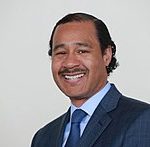 Join Julius Jefferson, ALA President, in a conversation about advocating for libraries from the local to the national level. He will explain the difference between grasstops and grassroots advocacy.
 Most librarians choose their careers based on the fact that they like to do core library work such as cataloging, collection development, or reference. But you might be surprised how far-removed the work of a Library Director is from core library work. Climbing the ranks to Director finds you crunching numbers, managing facilities, and navigating local politics. Is that really what you signed up for? In this webinar, Lynn Hobbs will talk about the range of duties that could fall under a Library Director’s job description, and will help you determine if it’s the right fit for you.
 Join Lynn Hobbs, director of Pendleton Community Public Library, as she offers advice, tips and tricks for new library directors and new library supervisors in middle management.
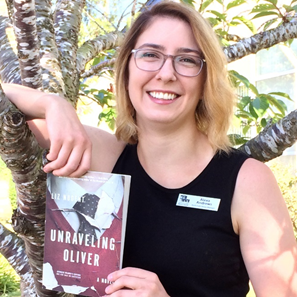 Women in Leadership: What the Science Says and How to Move Forward in the Era of #MeToo
 Michelle Merritt, Trainer, Allen County Public Library, presents insights for managers and supervisors on how to create a coaching culture in your library.
 What skills do you need to be a leader in your organization? Based on the highly successful webinar series, The Day in the Life of a Leader, and decades of experience in teaching, consulting and leading. Drs. Cheryl Stenstrom and Sue Alman will discuss the leadership traits most in demand for library and information professionals. Among other issues they will address the need to be an effective communicator, strategist, and risk-taker. Join us for a lively interactive discussion.