This webinar presents privacy as a library value, privacy as a legal concept, and common questions that come up in public libraries. The presenter addresses various scenarios and the policies that you need to have in place in regards to privacy issues – law enforcement requests, privacy and customer service, personnel files, children and privacy.
Date Recorded: 12/13/2023
Format: Archived YouTube Video
Presenter: Rose Shingledecker, Certifcation Director and Legal Consultant, Indiana State Library
Are you stressed about the attacks on librarians and library values happening across the country? Would you like to be better prepared and more confident in fighting back against challenges, AND proactively positioning your library for future success? Then this webinar is for you. Tune it to learn more about Pro bono services and support offered by EveryLibrary to libraries, boards, coalition partners, and local citizens who are advocating for libraries. How EveryLibrary is offering “rapid response” support in crisis situations, while also building sustainable local and national political power by identifying library supporters across the country. How to innoculate yourselves, your boards, and your policies against challenges and anti-access legislation at local and state levels. How to build effective messaging and strategies for defending the library from challenges, and engaging the community about the value of the libraries.
Date Recorded: 5/12/22
Format: Archived YouTube Video
Presenter: Peter Bromberg, Associate Director, EveryLibrary
The ALA observed an increase in First Amendment audits this year. What are they and why are they on the rise? Join this webinar to learn more. We will analyze legal issues implicated by First Amendment Audits, including constitutional free speech and privacy issues, relevant state laws, and library policies to consider. Prepare the library for a calm interaction with our tips on how best to approach these sometimes-contentious events.
Date Recorded: 12/16/21
Format: Archived YouTube Video
Presenter: Cheri Harris, Certification Program Director/Legal Consultant, Indiana State Library
Sexual harassment is prohibited under state and federal law. You are entitled to a workplace free of sexual harassment, but not all unpleasant encounters constitute harassment. We will discuss the difference between annoying behavior and actionable behavior. We will identify key elements of a sound sexual harassment policy and offer tips on how to handle uncomfortable situations that do not constitute sexual harassment. In this webinar you will learn to identify: Who can be a target of sexual harassment and who can be a harasser? What is the difference between risky behavior and sexual harassment? What should you do if you are the target of sexual harassment? What can you do if you are a witness or bystander? What are your duties as a manager or supervisor?
Are you wondering what to consider in forming your library’s policy on COVID-19 vaccinations? This webinar addresses the legality of mandatory vaccine policies during a pandemic and examines the pros and cons of such policies to help you determine which type of COVID-19 vaccine policy to propose to your board. We will cover: EEOC guidance on mandating the COVID-19 vaccine for employees and the circumstances under which an employer may require employees to be vaccinated. How to provide reasonable accommodations in compliance with federal anti-discrimination laws including people with disabilities under the ADA and people with religious objections under Title VII of the Civil Rights Act of 1964. Other options available to employers, such as encouraging staff to become vaccinated or providing incentives for employees who do so. Specific provisions to consider including in your vaccination policy. How Indiana’s Vaccine Allocation Plan and state law might impact this decision.
Date Recorded: 2/18/2021
Format: Archived YouTube Video
Presenter: Cheri Harris, Certification Program Director/Legal Consultant, Indiana State Library
As the November elections draw near, candidates and other campaigners are likely to want to use library resources. What must you allow? What can you allow? What can you restrict and what can you put guidelines on? We will cover the appropriate responses to a variety of real life situations so you will know what to say if someone asks to post election signs on library property, leaflet for a candidate in the parking lot or on the sidewalk, or hold a campaign meeting or rally in your meeting room.
Date Recorded: 09/29/2020
Format: Archived YouTube Video
Presenter: Cheri Harris, Certification Program Director/Legal Consultant, Indiana State Library
Part 2 of this webinar will introduce participants to federal and state judicial dockets. Participants will learn what a docket is and about the different types of documents that are generated throughout the life of a court case. We will also discuss how to find court briefs and oral arguments using both commercial and free resources.
Date recorded: 02/13/20
Format: Archived YouTube Format
Presenter: Jennifer Morgan, Jerome Hall Law Library, Indiana University
Part 1 of this webinar will introduce participants to the structure of the American legal system, the federal court structure, and the concepts of stare decisis and judicial precedence. Participants will learn how different states structure their court systems, with a focus on Indiana. We will explore different free sources for researching case law, including state judiciary websites and Google Scholar. Finally, we will discuss Nexis Uni, a commercial legal database, commonly available at academic libraries.
Date Recorded: 2/6/20
Format: Archived YouTube Video
Presenter: Kimberly Mattioli, Jerome Hall Library, Indiana University
Many disruptive patron behaviors can be managed using appropriate and equally applied policies and procedures. In this webinar Cheri Harris, Legal Consultant for the Indiana State Library, will review relevant court cases and describe the legal standards that impact your choice of wording. She will discuss best practices and provide sample language. She will respond to recent questions about suspending or banning rule-breaking patrons and provide some guidance for making and carrying out those decisions.
Date Recorded: 03/28/19
Format: Archived YouTube Video
Presenter: Cheri Harris, Certification Program Director/Legal Consultant, Indiana State Library
ISL staff will cover Indiana gun laws and how they impact libraries. We will provide appropriate language for library policies regarding patron behavior and clarify what libraries can and can’t regulate. Library Director Mary K. Emmrich will discuss the process Newton County Public Library went through last year to develop an active shooter policy and share the outcome.
Date Recorded: 6/29/18
Format: Archived YouTube Video
Presenters: Mary K. Emmerich/ Newton County Public Library; Cheri Harris/Indiana State Library
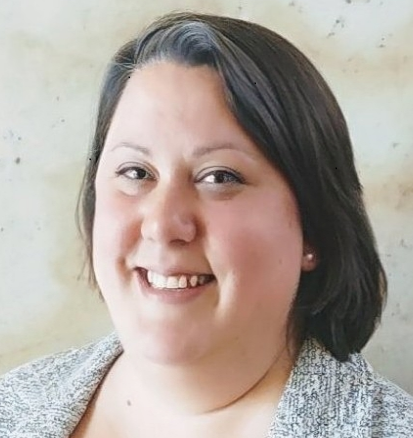 This webinar presents privacy as a library value, privacy as a legal concept, and common questions that come up in public libraries. The presenter addresses various scenarios and the policies that you need to have in place in regards to privacy issues – law enforcement requests, privacy and customer service, personnel files, children and privacy.



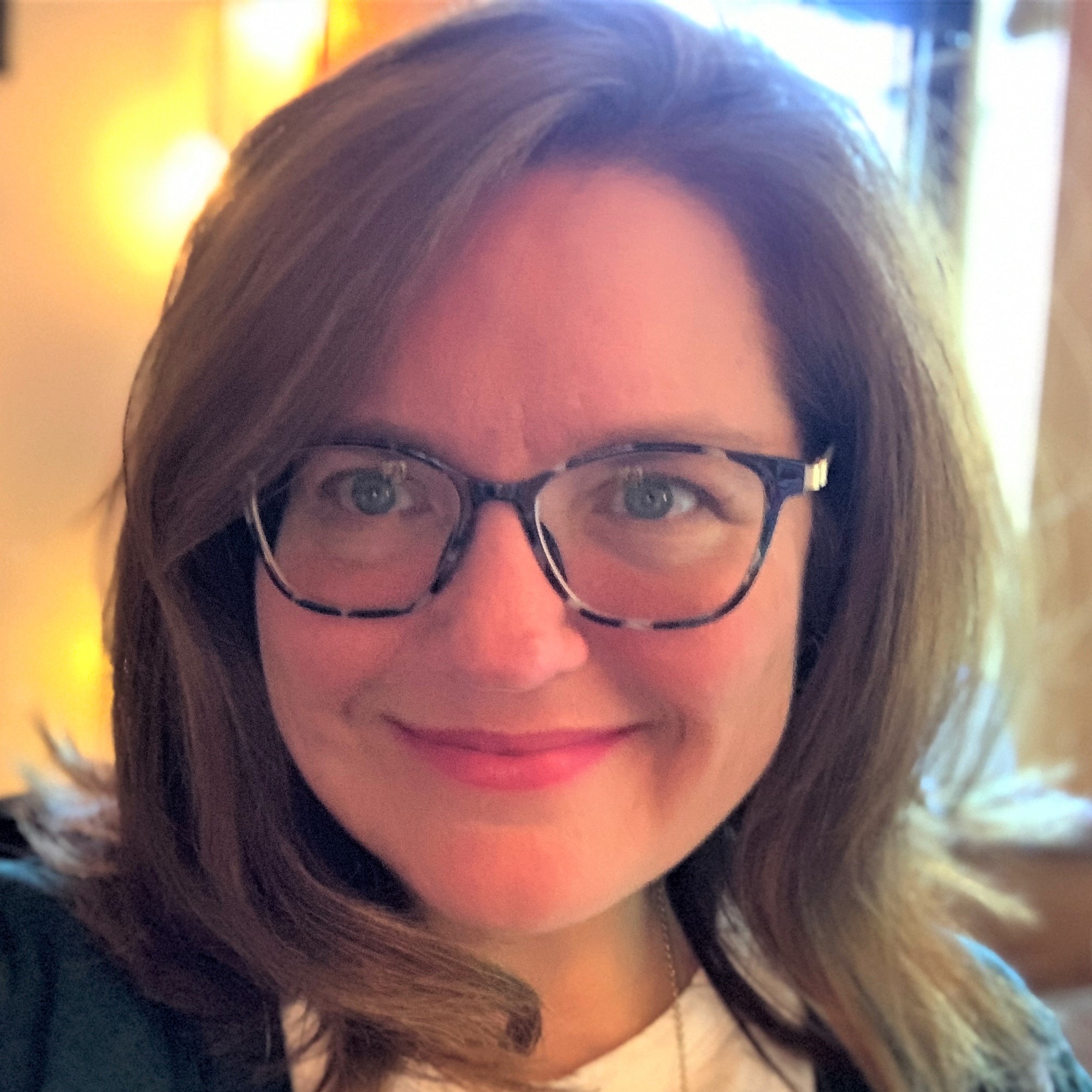 Part 2 of this webinar will introduce participants to federal and state judicial dockets. Participants will learn what a docket is and about the different types of documents that are generated throughout the life of a court case. We will also discuss how to find court briefs and oral arguments using both commercial and free resources.
 Part 1 of this webinar will introduce participants to the structure of the American legal system, the federal court structure, and the concepts of stare decisis and judicial precedence. Participants will learn how different states structure their court systems, with a focus on Indiana. We will explore different free sources for researching case law, including state judiciary websites and Google Scholar. Finally, we will discuss Nexis Uni, a commercial legal database, commonly available at academic libraries.
 Many disruptive patron behaviors can be managed using appropriate and equally applied policies and procedures. In this webinar Cheri Harris, Legal Consultant for the Indiana State Library, will review relevant court cases and describe the legal standards that impact your choice of wording. She will discuss best practices and provide sample language. She will respond to recent questions about suspending or banning rule-breaking patrons and provide some guidance for making and carrying out those decisions.
 ISL staff will cover Indiana gun laws and how they impact libraries. We will provide appropriate language for library policies regarding patron behavior and clarify what libraries can and can’t regulate. Library Director Mary K. Emmrich will discuss the process Newton County Public Library went through last year to develop an active shooter policy and share the outcome.