 Few things are as important as setting clear expectations for employees, and providing them with the training they need to meet those expectations. Employees who understand what is expected and are confident in their skills are more likely to provide consistently great service to patrons. Untrained and undertrained employees are often less efficient and engaged; they can cost your organization time when routine errors require correction, and worse, they can cost your library customers. In this webinar, Carina Mulcrone, Circulation Services Manager from the Bettendorf Public Library (IA), will share her library’s switch to Standard Evaluation Guidelines and Daily Observation Reports.
Date Recorded: 1/30/19
Format: Archived YouTube Video
Presenters: Carina Mulcrone/ Bettendorf Public Library (Iowa)
Resources from webinar:
- Beyond the Orientation Checklist presentation handout
- Daily Observation Report: Adult Services Librarian
- Daily Observation Report: Circulation Library Clerk
- New Employee Orientation Training Checklist 2019
- Standard Evaluation Guidelines Adult Services Librarian
- Standard Evaluation Guidelines Circulation Library Clerk
 We don’t have large budgets. We don’t have large staffs. We might have to spend parts of our day shoveling the sidewalks or cleaning up a mess in the restroom. In spite of this, small and rural libraries have the power to be great. We can do simple, practical things that can instantly make a difference. From internal customer service tips to tech tools you can’t live without, linking these 30 things will help make your small library extraordinary.
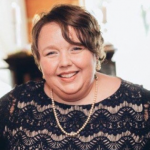 Michelle Merritt, Trainer, Allen County Public Library, presents insights for managers and supervisors on how to create a coaching culture in your library.
 Test yourself! Use the provided checklists to determine your technology proficiency. Be your own trainer and discover opportunities where you can increase your skills. Form a plan to personalize Technology Competencies Checklists for your own library and make the move to receive buy-in from staff.
 ISL staff will cover Indiana gun laws and how they impact libraries. We will provide appropriate language for library policies regarding patron behavior and clarify what libraries can and can’t regulate. Library Director Mary K. Emmrich will discuss the process Newton County Public Library went through last year to develop an active shooter policy and share the outcome.
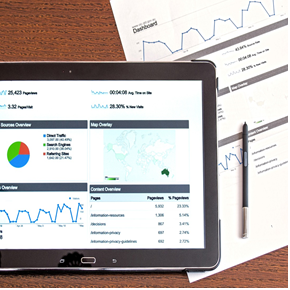 This webinar will show you the state and Federal resources used by the Northwest Indiana Center for Data & Analysis to provide accurate and timely data for our CAN projects. Resources to be previewed will include but are not limited to: American Community Survey, American Factfinder, STATS Indiana, Hoosiers by the Numbers, and Stats America.
 What skills do you need to be a leader in your organization? Based on the highly successful webinar series, The Day in the Life of a Leader, and decades of experience in teaching, consulting and leading. Drs. Cheryl Stenstrom and Sue Alman will discuss the leadership traits most in demand for library and information professionals. Among other issues they will address the need to be an effective communicator, strategist, and risk-taker. Join us for a lively interactive discussion.
 Your library has a mission to effectively serve the community, This cannot be achieved without a strategic plan that outlines your goals, priorities, resources, strengths and weaknesses. How can this be accomplished without the funding to hire an outside facilitator or consultant? This presentation will give you guidance on how research and write a strategic plan in-house. You will learn the major components of a strategic plan, how to conduct community research that will be incorporated into the planning process, and how to organize and delegate tasks.
 A healthy and effective workplace often stems from strong leadership. For supervisors, it’s important to develop a team of individuals who work well together, do what needs to be done, and help each other succeed. Join us for a dynamic session to learn what it means to develop a healthy organizational culture, with an introduction to the concept of organizational citizenship behavior and its relevance to public libraries. You’ll learn techniques to build and support a team that is willing and able to go above and beyond, and to help your library succeed.
 In this webinar, you’ll learn more about the trend toward the suspension of fines in public libraries including what “fine free” means, the philosophies behind the shift, and the practical considerations that go into becoming a “fine free” library.