 Our LGBTQIA+ youth are increasingly under attack and subjected to constant bullying. Participants will learn how to easily identify themselves as an ally: a port in the storm. Participants will also receive resources and advice on how to navigate the troubled waters with these formative young people. Questions were submitted in advance for this webinar and the presenter guided participants through best practices for a variety of scenarios.
Presenter: Jayne Walters (she/her) is a Board Member and the Director of Education for Indy Pride, co-founder of the LGBTQ+ Services Committee for IndyPL, and the first openly transgender manager in the history of Indianapolis Public Library. Having worked in libraries for over 14 years, her writing has been featured in Children & Libraries, Library Journal, and is a contributing author in the book Trans and Gender Diverse Voices in Libraries. She has spoken on LGBTQ+ issues for libraries, companies, and on the news, (2022). Her passions include LGBTQIA+ representation in juvenile literature; making sure libraries are accessible and equitable for the community and making them a safe and welcoming environment for both patrons and staff.
Date Recorded: 5/18/2023
Format: Archived YouTube Video
Presenter: Jayne Walters
Resources:
- GLSEN (Gay, Lesbian, & Straight Education Network)
- The Trevor Project
- Unite Against Book Bans
- Lambda Literary
- Rainbow Round Table of ALA (more great resources can be found via this site)
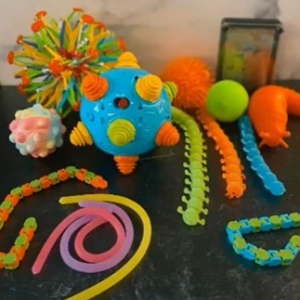 The staff of the North Manchester Public Library strive to meet the needs of their community in a variety of innovative ways. Unique programs and resources strengthen community relationships, center the library as an integral part of community life, and undergird literacy. In this webinar, Sarah Morbitzer, Children’s Department head, will share the ways NMPL is working to promote food security, physical activity, sensory integration, accessibility, and curiosity in learning.
 Libraries aren’t just hubs for learning and knowledge sharing, but places where imagination, curiosity and play should be front and center. Join Elan Lee, CEO and Co-Creator of award-winning gaming and entertainment company Exploding Kittens, as he explores how libraries can integrate gameplay in unique ways and demonstrates how to use regular objects to turn the ordinary into extraordinary.
 Community inquiry is inquiry, questioning, and exploring of, for, and by communities. A library can facilitate inquiry sessions both internally with staff and/or externally with their stakeholders and users. Libraries can use community inquiry tools and techniques to reframe and take a fresh look at complex questions and challenges which stall and even halt innovation and positive change. Community inquiry creates the chance to create lasting impact for and with communities. This session will overview community inquiry techniques, discuss possible hurdles, and walk you through one librarian’s experience utilizing community inquiry to support curiosity.
 The Bureau of Labor Statistics projects that the employment of social workers will grow 12% from 2020 to 2030 to meet an increase in demand. Further, with the growth of telehealth and telemedicine visits continuing beyond the COVID-19 pandemic, individuals are finding more ways to reach their healthcare providers. However, in rural areas, finding local providers and reliable Internet access can create a barrier to access. As public libraries have long been viewed as the central hub for information, gatherings, and broadband service, their pivot to serve as a place for patrons to meet virtually with social workers comes at an opportune time. This presentation will show how three public libraries developed a pilot program – titled “Because You Matter” – with the Indiana University School of Social Work to coordinate weekly telehealth visits with social work students and library patrons. They’ll share successes, failures, and what they learned to improve the program in the future.
  Equity, Diversity, and Inclusion (EDI) Committees are a great first step towards strategically ensuring that those facing barriers to library services in our communities are given access and opportunities. During this webinar, three different libraries will share their experiences with starting, maintaining, and moving forward with EDI committees. They’ll share what inspired them to begin, how they formed the committee, where they are now, and how they hope to keep growing in the future.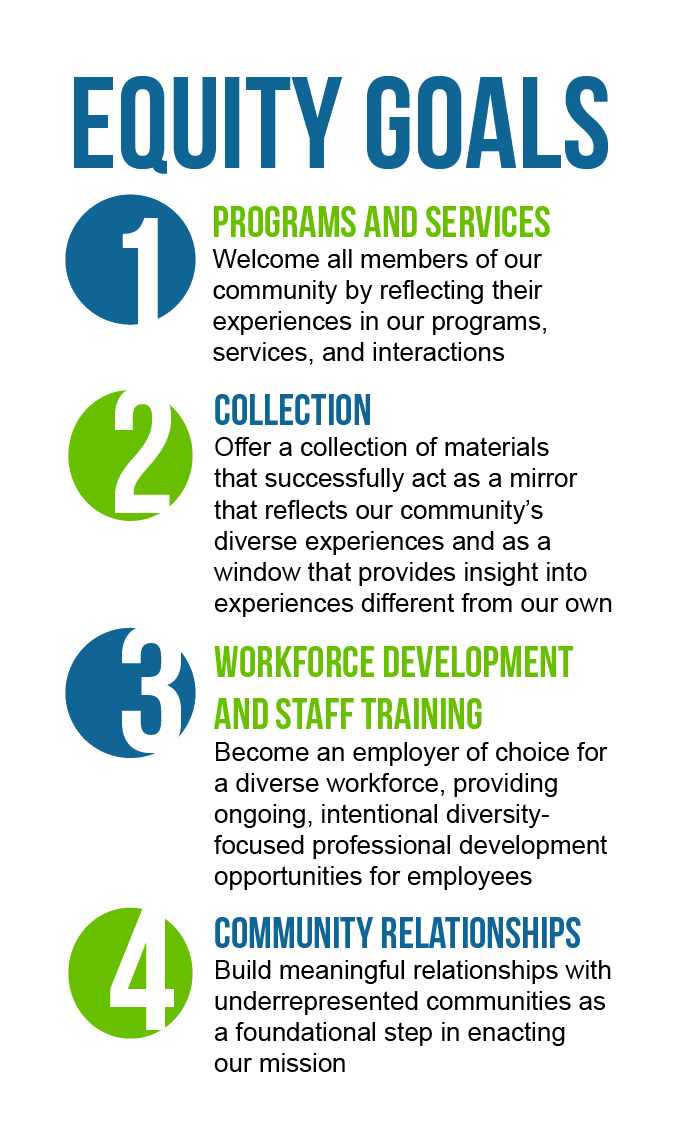
 This presentation addresses customer service training by growing and nurturing empathy and empowering staff to navigate the gray areas in our policies. Using storytelling and group interaction, we will look at special and challenging situations such as code of conduct violations and difficult patrons. Discover how understanding our own implicit biases and not assuming the worst of our patrons can help you offer consistent customer service to everyone we serve.