 Athens (Georgia) Regional Library is one of the first public libraries to refocus a social work program toward a trauma-informed framework. This session presents replicable steps in providing library services, designing and implementing policies, and supplying holistic training for staff utilizing a trauma-informed lens. As libraries are asked to do more with less, this session highlights easily attained methods of becoming trauma-informed and establishing a system which reflects the assets of the community and organizational values. 1hr / 1 LEU.
Date Recorded: 6/30/21
Format: Archived YouTube Video
Presenters: Trudi Green / Assistant Director for Public Services, Athens Regional Library System; Jennifer Elkins / Associate Professor, University of Georgia School of Social Work; Sarah List / Information Services Librarian, Athens Regional Library System.
Resources:
- Trauma Informed Library Transformation presentation pdf
- A Trauma-Informed Approach to Public Library Social Service YouTube video

 We don’t have large budgets. We don’t have large staffs. We might have to spend parts of our day shoveling the sidewalks or cleaning up a mess in the restroom. In spite of this, small and rural libraries have the power to be great. We can do simple, practical things that can instantly make a difference. From internal customer service tips to tech tools you can’t live without, linking these 30 things will help make your small library extraordinary.
 Libraries are busy places. From programming to services, we want people to know about everything. The challenge? We often have very limited (if any) marketing budgets. Join Kim Crowder, Director, Communications, for The Indianapolis Public Library, and learn easy tips and tricks to boost your marketing strategy on a budget. See examples of what has worked and where your time is best spent.
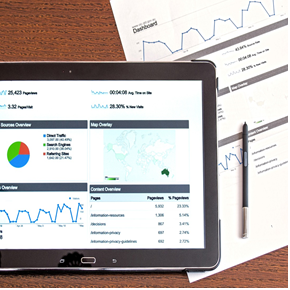 This webinar will show you the state and Federal resources used by the Northwest Indiana Center for Data & Analysis to provide accurate and timely data for our CAN projects. Resources to be previewed will include but are not limited to: American Community Survey, American Factfinder, STATS Indiana, Hoosiers by the Numbers, and Stats America.
 Loren McClain, Mental Health First Aid instructor, from Muncie Public Library in Muncie, IN shares how librarians can work with patrons or staff members who live with mental health disorders.
 Your library has a mission to effectively serve the community, This cannot be achieved without a strategic plan that outlines your goals, priorities, resources, strengths and weaknesses. How can this be accomplished without the funding to hire an outside facilitator or consultant? This presentation will give you guidance on how research and write a strategic plan in-house. You will learn the major components of a strategic plan, how to conduct community research that will be incorporated into the planning process, and how to organize and delegate tasks.
 This webinar will help you answer legal research questions from patrons and will also help you assist patrons who are doing their own legal research. Starting with an overview of different types of legal authority we will distinguish between primary and secondary authority. Then we will look at strategies and tools for finding state and federal statutes, regulations, and case law. Paying special attention to Indiana materials we will demonstrate how to use a variety of free websites to conduct legal research on-line. We conclude with tips for how to stick to conducting legal research and avoid providing legal advice.
 All libraries face catalysts for change, and rather than being afraid of change, with effective consideration of the personal aspects felt by staff or patrons, libraries can change many things at the same time. Butler University Libraries had already made progressive changes in public services areas, but Technical Services workflows and organization remained unchanged and bound to legacy practices from decades past. For us, the best catalyst for change was a system migration to a cloud-based library management system. This system migration was tied to organizational restructuring, building rearrangement, and a new strategic plan, each of which intertwined with the details of the migration project and was underpinned by thoughtful analysis of how to help employees through change. Research on technical services departments is discussed in light of how roles change through the streamlined workflows available in a new ILS, and how those changes can have a domino effect, creating space or opportunity to shift responsibilities or spaces in ways long awaited or newly identified. Join us to learn how changes can help refocus a library’s efforts to fulfill what can be an evolving mission, while retaining core strengths and values. This webinar, while delivered by an academic librarian, will also be useful to public libraries wanting to work through big changes.
 Join us to talk about information literacy and lifelong learning in public, academic, and school libraries. We will share the perspective on the intersection of the ACRL Framework for Information Literacy in Higher Education as well as lifelong learning after college. Please come and share your professional experiences and challenges. Information Literacy happens in all libraries. This webinar is worth 1 LEU.