While every library is unique, they all seem to share one thing in common: they could use more money! Grants might be the just thing to help buy technology for STEM programming or get a new service initiative off the ground. But applying for grants can be overwhelming – and that’s assuming you can even find one for which you qualify. This webinar aims to give you tools to make the grant process a bit more navigable. We’ll discuss the places to search, as well as provide tips for putting your best foot forward when it comes time to submit your proposal.
Date Recorded: 9/12/2023
Format: Archived YouTube Video
Presenters: Angela Fox, LSTA and Public Library Consultant / Indiana State Library
Resources:
- 2023 Public Library Grants handout
- 21st Century Community Learning Centers Grant
- 2023 Grants Webinar slides
 The programming section on the Indiana Public Library Annual Report has always been a bit tricky to navigate – even before recent years saw the addition of virtual programming to the mix. In this webinar, we’ll focus on how to determine if something is considered a program, what statistics to track, and how to break them down for the report. We’ll also address common questions related to programming section and preview the (relatively minor) changes coming in the 2022 report.
 Community inquiry is inquiry, questioning, and exploring of, for, and by communities. A library can facilitate inquiry sessions both internally with staff and/or externally with their stakeholders and users. Libraries can use community inquiry tools and techniques to reframe and take a fresh look at complex questions and challenges which stall and even halt innovation and positive change. Community inquiry creates the chance to create lasting impact for and with communities. This session will overview community inquiry techniques, discuss possible hurdles, and walk you through one librarian’s experience utilizing community inquiry to support curiosity.
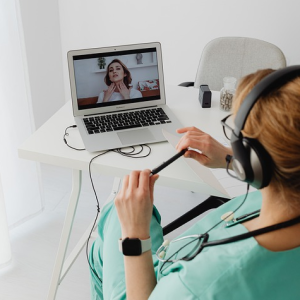 The Bureau of Labor Statistics projects that the employment of social workers will grow 12% from 2020 to 2030 to meet an increase in demand. Further, with the growth of telehealth and telemedicine visits continuing beyond the COVID-19 pandemic, individuals are finding more ways to reach their healthcare providers. However, in rural areas, finding local providers and reliable Internet access can create a barrier to access. As public libraries have long been viewed as the central hub for information, gatherings, and broadband service, their pivot to serve as a place for patrons to meet virtually with social workers comes at an opportune time. This presentation will show how three public libraries developed a pilot program – titled “Because You Matter” – with the Indiana University School of Social Work to coordinate weekly telehealth visits with social work students and library patrons. They’ll share successes, failures, and what they learned to improve the program in the future.
  Kim Hagerty, Director of Digitization and Micrographics Services at the Indiana Archives and Records Administration will go over best practices for preserving library board minutes. She will also cover what needs to be sent to IARA – board minutes or board packet? Board minutes and supporting documents if available. The best way to send it – digitize or original copies? Digital copies of the original files is best. Kim will explain further how libraries can do this in-house. What is the timeframe? This is dependent on amount of files. One reel of microfilm holds approximately 2,500 files. This could be over ten years’ worth of meeting minutes. And she will also cover best practices – start with current and work backwards? Either way is fine, if the oldest minutes are in brittle condition, the IARA would recommend starting with them for preservation purposes.
 Moving into a new leadership role can be overwhelming and intimidating. This presentation will go over some dos and don’ts to help new leaders feel more confident and become more effective in their current and future roles. Participants will learn some common mistakes new leaders make (and how to avoid them), how to conquer feelings of doubt or imposter syndrome, and practical leadership techniques. Emphasis will be placed on the importance of creating a support network, investing in personal and professional development, and recognizing the value, knowledge, and skillset new leaders bring to their organizations.
 Is retirement in your near future? Or is it years away? Either way, it’s time to think about what steps to take to prepare yourself and your library for this transition. This will be a panel discussion with directors who have retired, soon to retire or are planning to retire (sometime). If you would like to submit a question with the panel, please fill out this survey.